
Affiliate marketing is one of the easiest ways to monetize a WordPress blog, even if you’re just getting started. In this guide, you’ll learn how affiliate marketing works, how to add affiliate links on WordPress.com, and how to choose programs that actually convert.
The best part is that all WordPress.com plans support affiliate links, so you can begin earning from your content, no matter where you are in your blogging journey. Whether you write about travel, food, tech, or personal development, you can generate passive income from blogging. Simply recommend products or services you already love. In this post, we’ll walk you through the basics of affiliate marketing, how to make money blogging with WordPress, and tips to help you succeed.
Key Takeaways
- Affiliate marketing lets you earn commissions by linking to products you recommend.
- All WordPress.com plans support affiliate links, unlike some platforms that require upgrades to monetize.
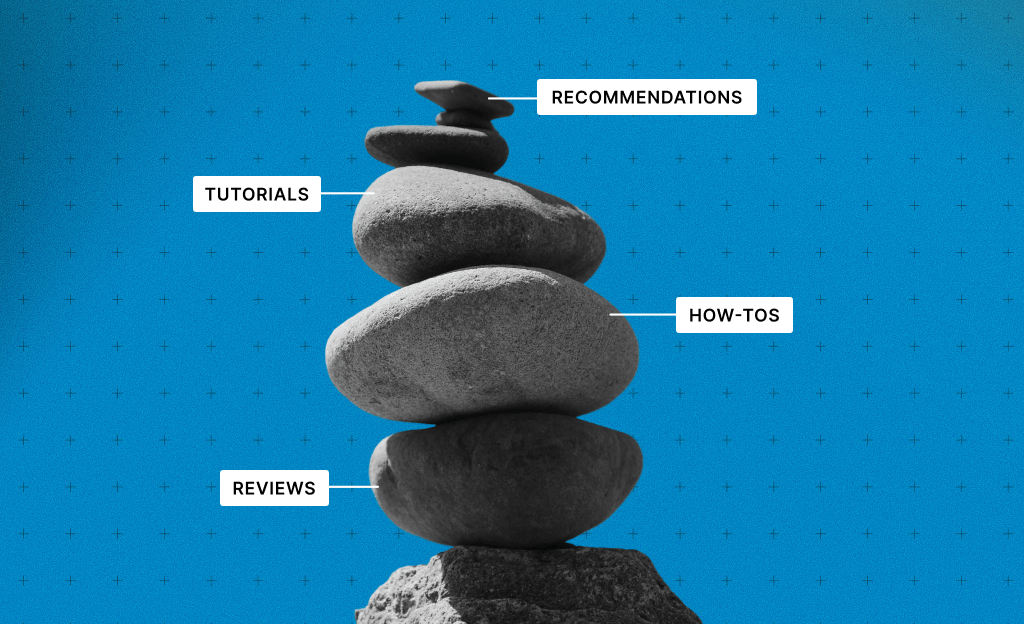
- The best results come from reviews, tutorials, and evergreen content.
- Choosing the right affiliate programs matters more than volume.
- Clear disclosures are required, and also build trust.
What is affiliate marketing and how does it work?
Affiliate marketing is a type of performance-based income where you earn a commission by promoting someone else’s product or service. When a reader clicks on your affiliate link and makes a purchase, you get a percentage of the sale. There is no extra cost to the reader, and tracking is done behind the scenes to make the monitoring seamless.
For example, if you write a blog post reviewing your favorite coffee maker and include an affiliate link to the product, you can earn money every time someone buys it through the link in your post.
Is your WordPress site ready to earn with affiliate marketing?
If you’re already publishing quality content and attracting readers, you’re in a great position to monetize your WordPress site with affiliate marketing. The basics apply no matter where your site is hosted: helpful content, a clear audience, and products that genuinely fit your niche.
That said, monetization rules can vary by platform. All WordPress.com plans support the use of affiliate links, so you can start monetizing no matter which plan you’re using. Unlike some platforms that require an upgrade to monetize, there’s no plan-based restriction on using affiliate links with WordPress.com.
There are a few content restrictions to keep in mind. For example, affiliate links for gambling, get-rich-quick schemes, multi-level marketing programs, and a few other program types are not allowed, nor are sites that are just affiliate link farms. You can find out more details, as well as other ways to earn, in our guide to monetizing your site.
How to choose the right affiliate programs for your WordPress blog
Not all affiliate programs are created equal, and choosing the right one can make a big difference. Many programs can include multiple brands or products in their one program. Look for programs that:
- Align with your niche and audience interests
- Offer fair and transparent commission rates
- Have reliable tracking and easy-to-use dashboards
Some popular affiliate networks and programs for beginners include:
- Amazon Associates – A massive, beginner-friendly network with millions of products across every category, giving you broad flexibility when choosing what to recommend.
- Automattic Affiliate Program – High commissions for trusted WordPress products like WordPress.com and WooCommerce, making it a natural fit for sites focused on blogging, websites, or online businesses.
- Impact Partnership Platform – A large affiliate network offering partnerships with hundreds of top global brands.
Start with one or two programs that make sense for your content and expand from there as you grow. Affiliate marketing works best when readers trust your recommendations. Make sure the programs you select reflect your authentic voice and values, just as your site does.
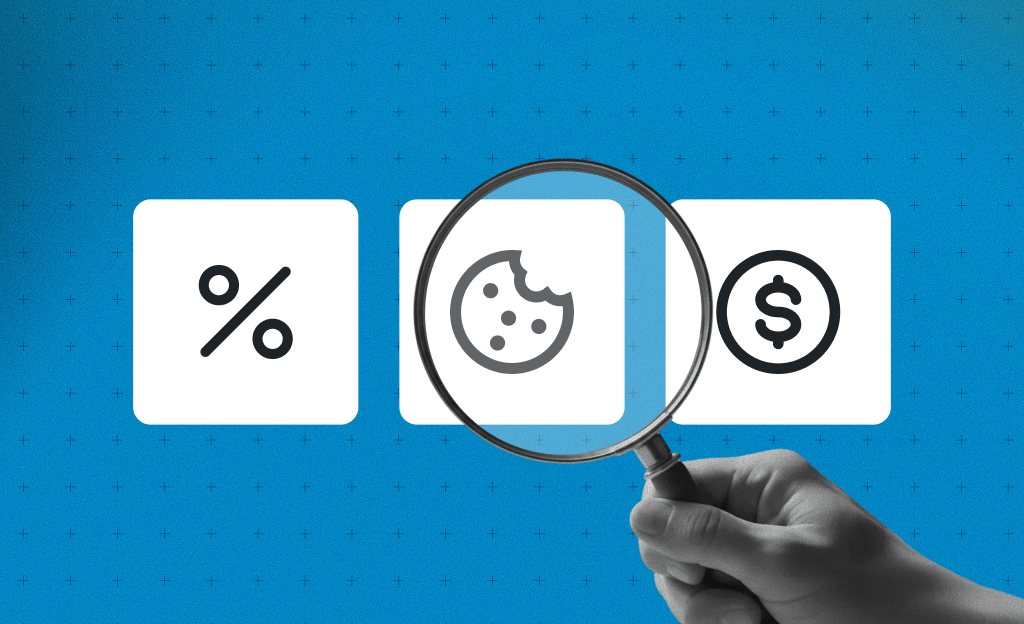
Here’s a quick checklist of criteria to evaluate before joining any affiliate program:
- Commission rate: how much you can earn per sale or action
- Cookie duration: how long a referral is tracked after the customer’s click
- Payout terms: the minimum payout threshold and payment schedule
- Product relevance: does the product match your audience’s interest and your content?
- Support and resources: are there promotional materials and guides available for you along with dedicated affiliate support?
By keeping these factors in mind as you work to monetize your WordPress site, you can select affiliate programs that are both profitable and a good fit for your site and your readers.
How to add affiliate links in WordPress
The key to successful affiliate marketing is making your links feel like a natural part of your content. Here are a few popular formats to try:
- Product reviews: Share your honest opinion and include a link to buy. If you plan to review tools or hosting providers, check out our guide to writing hosting reviews that earn you more, which covers review structure, disclosures, and conversion best practices.
- Tutorials and how-tos: Mention tools or resources, especially for products that you use yourself, and link to them
- Top lists or gift guides: Curate items around a topic, event, or holiday and include links to each one
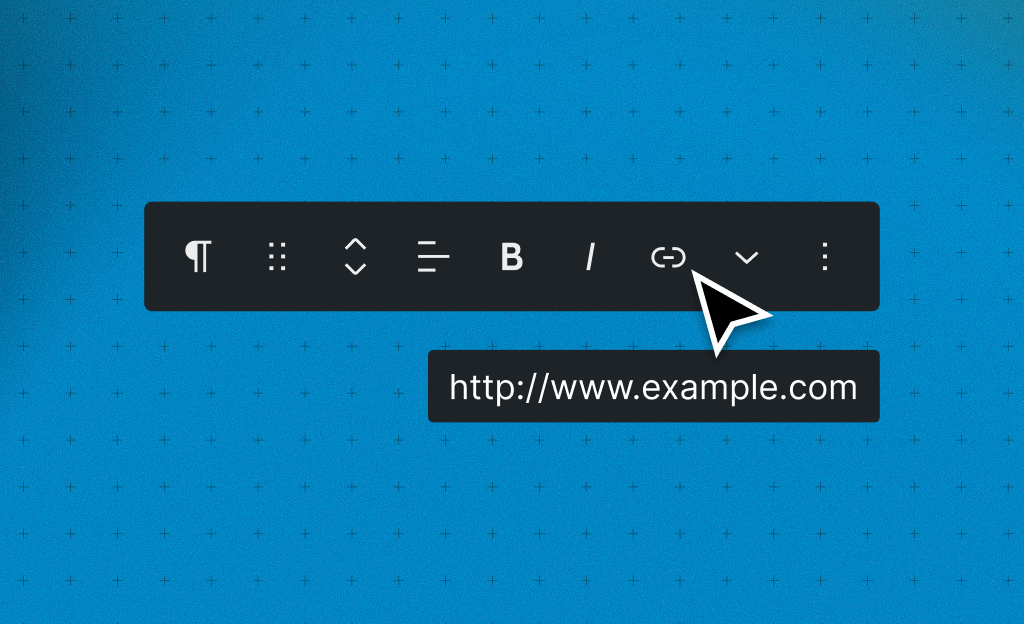
On WordPress, you can easily add affiliate links using the Paragraph, Button, or Image blocks. Just paste your unique affiliate URL into the link field, and you’re good to go. Here’s a step-by-step example using Amazon affiliate links.”
It’s always a good idea to add your affiliate links in a way that feels conversational in your content. Links that feel forced are very noticeable to readers and less likely to earn you a click. A few key recommendations are to place a link fairly early in your content as well as in a solid call to action closer to the end of your post. Affiliate links are also great to include in bulleted lists and any image call-outs. These types of placements are likely to catch your reader’s attention.
Staying compliant with affiliate disclosures
Transparency builds trust. It’s important (and legally required) to let your readers know when you’re using affiliate links. Affiliates and influencers for any program are required to comply with the United States Federal Trade Commission (FTC) Endorsement Guides and Regulations.
This means that any place you share an affiliate link as an endorsement or assessment of a product or service, you must prominently disclose the fact that you may receive compensation. It’s important to understand that this is true for any kind of compensation, including commissions, flat fees, hybrid payment models, and free products. Disclosure statements should be clear and concise, and follow the guidelines available on the FTC Endorsements website resource.
A simple disclosure can be as short as: “This post contains affiliate links. If you purchase through them, I may earn a commission at no extra cost to you.”
Best practices and tips to maximize your affiliate income
Earning an income through affiliate marketing can take time, but here are a few tips to help you grow faster:
Build trust with your audience
- Be authentic: Only promote products you truly believe in.
- Focus on quality content: Help your readers solve a problem or make a decision.
Optimize and maintain what already works
- Update your links regularly: Replace outdated products with current options. If you promote a short-term sale for a brand, be sure to update any banners when the sale ends.
- Track your performance: Use your affiliate dashboard and site stats to see what’s working, what needs adjusting, and to identify any opportunities for further monetization.
Think long-term
- Leverage evergreen content: Tutorials, how-to guides, product reviews, and resource lists are examples of content that can continue to attract readers and generate income for you over time.
As you learn what your audience responds to, you can refine your approach and increase your earnings.
Frequently asked questions about affiliate marketing on WordPress
Can you use affiliate links on WordPress sites?
Yes. Affiliate links work on WordPress sites just like regular links. You can add them to blog posts, pages, buttons, images, and resource lists using standard WordPress blocks.
Can you use affiliate links on WordPress.com?
Yes. WordPress.com supports affiliate links on all plans. Learn more about monetization options and content best practices in the WordPress.com monetization guide.
Do affiliate links hurt SEO?
No, affiliate links do not hurt SEO when used properly. The key is to focus on helpful, original content and use affiliate links naturally rather than excessively. Search engines prioritize usefulness and relevance, not whether a link earns a commission.
Do I need a large audience to make money with affiliate marketing?
No. Many successful affiliate sites earn income with relatively small but targeted audiences. Content that answers specific questions or helps readers make decisions often converts better than high-traffic, general content.
How long does it take to earn money with affiliate marketing?
It varies. Some sites earn their first commissions within weeks, while others take months. Consistent publishing, evergreen content, and trust with your audience tend to speed up results.
Do I need to disclose affiliate links?
Yes. Affiliate disclosures are legally required in many countries, including the United States. A clear, simple disclosure builds trust and helps you stay compliant with FTC guidelines.
What types of content work best for affiliate marketing?
Product reviews, tutorials, comparison posts, resource lists, and how-to guides tend to perform best because they help readers make informed decisions.
Final thoughts
Affiliate marketing is one of the easiest ways to monetize your WordPress site and turn it into a source of passive income from blogging. Start small, choose products you believe in, and share them in a way that feels natural to your readers. With time and consistency, your site can grow into a powerful affiliate revenue machine.
Looking for a program to start with? If you’re already familiar with WordPress products, promoting tools you know and rely on is often the easiest place to begin. The Automattic Affiliate Program lets you earn commissions by recommending popular WordPress products like WordPress.com, WooCommerce, Jetpack, and Pressable — tools your audience may already be searching for.
 Automattic Affiliate Program - Knowledge Base