
If you’re new to affiliate marketing and want a straightforward path to earning your first commissions, this guide is for you. Whether you’re looking to supplement your regular job or considering how to make money online from home, we’ll cover the key concepts you need to understand, from choosing the right products to promote to setting up your first affiliate links. Along with simple strategies and actionable tips, this post will help beginners build momentum and avoid common pitfalls. Start your affiliate marketing journey today with confidence, clarity, and practical steps that can lead to real, lasting income.
Key takeaways
Affiliate marketing is a way to earn commissions by recommending products or services through tracked links. Here’s what beginners should know before getting started:
- Affiliate marketing works best when your recommendations fit your audience. Choose products that solve real problems for the people you already reach.
- You don’t need a huge audience to begin. A smaller, engaged audience can still be valuable when there’s trust and a clear topic fit.
- Helpful content matters more than adding lots of links. Reviews, tutorials, comparisons, and resource guides work well because they help readers make decisions.
- Affiliate disclosures are important. Let readers know when you may earn a commission from a link.
- Tracking helps you improve. Review clicks, conversions, and earnings so you can understand which content and links are working.
- Affiliate income usually builds over time. Start with a few relevant links, learn from your results, and keep improving your content.
What is affiliate marketing?
Affiliate marketing is a way to earn money by promoting products or services from other companies. You share special links on your website, blog, or social media accounts such as YouTube. When someone clicks your link and makes a purchase, you can earn a commission.
It’s a win-win situation: companies get more customers, and you get rewarded for sharing products you believe in. You can even start affiliate marketing with no monetary cost and you don’t need a huge audience to get started, just a little know-how and some enthusiasm.
How affiliate links work
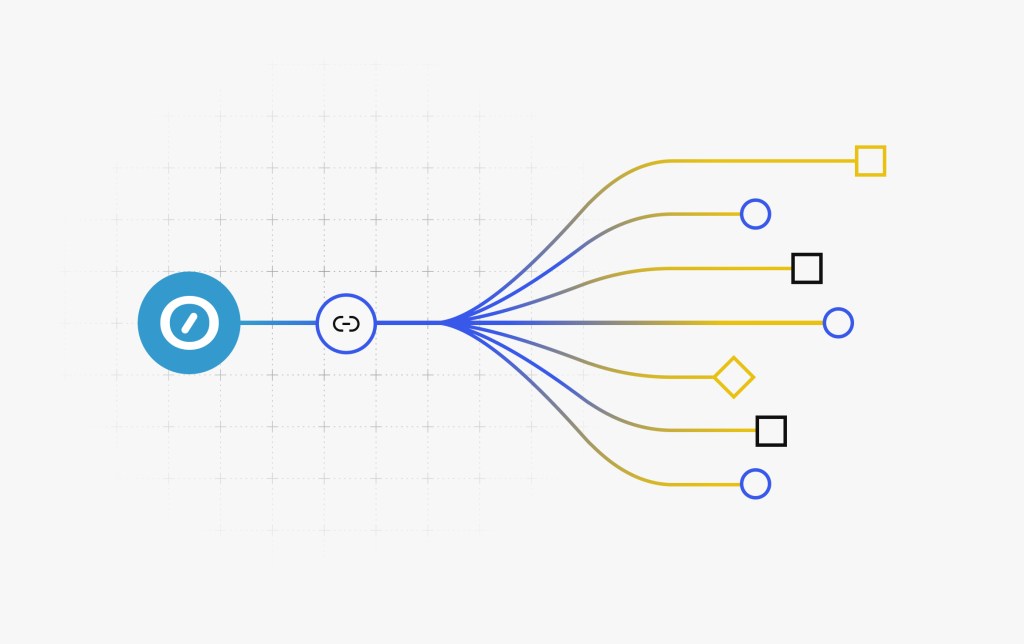
Affiliate links are unique URLs that let companies track referrals from your content. These links use special tracking to credit your account for any sales you generate. Most programs pay you a commission, either as a percentage of the sale or a flat fee when a purchase is complete. Some even offer flat fee rewards for leads or sign-ups, such as a commission for a potential customer filling out an interest form or subscribing to a newsletter.
It’s important to be transparent with your audience. Let them know when a link is an affiliate link. This builds trust and keeps you in line with guidelines like the FTC’s disclosure requirements.
Choose a niche and know your audience
Choosing a niche helps you build authority and attract a specific audience. Think about topics you enjoy or areas where you have some expertise. Maybe you’re passionate about tech, fitness, cooking, or DIY. A clear niche makes it easier to create content that resonates with readers.

For example, if you enjoy helping others build websites or start online businesses, you could focus on tools and resources that support that journey. Products like WordPress.com or Jetpack are great fits for this type of niche, and both brands are part of the Automattic Affiliate Program. Promoting tools you use personally and believe in builds credibility and gives your content a strong foundation.
Knowing your audience is just as important. Ask yourself: What are their challenges? What solutions can I offer? When you understand their needs, it’s easier to recommend products that truly help. If your niche is blogging or website building, WordPress.com’s guide on how to start a blog can also help you understand the steps your audience may be researching before they choose a platform or hosting provider.
Find the right affiliate programs
Not all affiliate programs are the same. Look for programs that align with your niche and offer fair commissions. Check the tracking duration (how long you get credit after someone clicks) and whether the program provides support or tools like banners and dashboards.
Affiliate Programs are commonly hosted on affiliate networks. These are larger tracking platforms that typically provide greater functionality and additional access to the individual affiliate programs for multiple brands under one single account. Some popular affiliate networks include Impact, Partnerize, Awin, and Commission Junction. You can also work directly with brands you love; many have affiliate programs you can join.
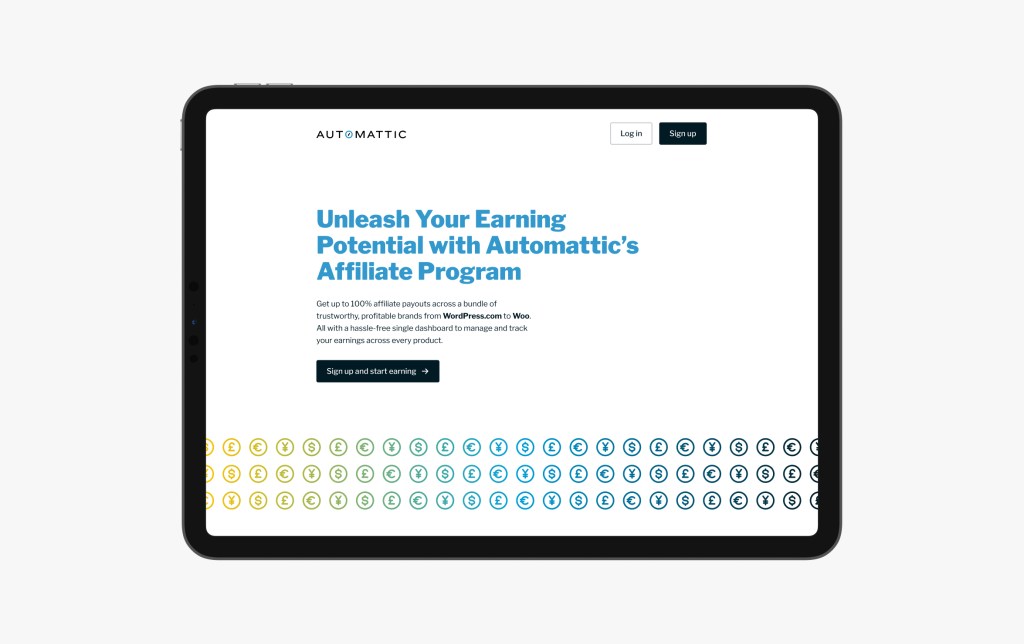
Web hosting affiliate programs like the Automattic Affiliate Program are some of the best affiliate programs for beginners to join. As every website needs a host, the product has wide appeal to a variety of online verticals and entrepreneurs and the commission rates are generous.
Create helpful, intentional content
Quality content is the backbone of a successful affiliate marketing strategy for bloggers. Focus on providing real value to your audience. Write honest product reviews, helpful tutorials, comparisons, or resource guides. Think about how your content can solve problems and build trust with your audience.
SEO can also help more readers discover your affiliate content. Use relevant keywords naturally in your posts, structure your content with clear headings, and link internally to related posts. This helps your content rank higher and reach more readers. For a deeper look at search basics, WordPress.com’s WordPress SEO guide covers practical ways to improve rankings and bring more readers to your content.
How to add affiliate links strategically
Adding affiliate links isn’t about stuffing your content with links. Place them where they make sense and where they can best help your readers. For example, in a product review, include links to the product pages. Use deep links that point directly to relevant products instead of sending people to a homepage.
Always include a clear affiliate disclosure, ideally near the top of your post, so your readers know you may earn a commission. If you’re adding affiliate links to a WordPress blog, our guide about how to monetize your blog with affiliate links walks through link placement, disclosures, and content formats in more detail.
Promote your content
Even the best content needs a little push. Share your posts on social media, build an email list, and participate in online communities like Reddit, Discord, LinkedIn, or other social spaces where your audience hangs out. Choose one or two channels to focus on at first so you don’t get overwhelmed. Consistency matters more than perfection. Be aware of what activities are and aren’t allowed for your chosen program to ensure your account remains in good standing and in compliance with their terms and conditions.
Track, learn, and improve
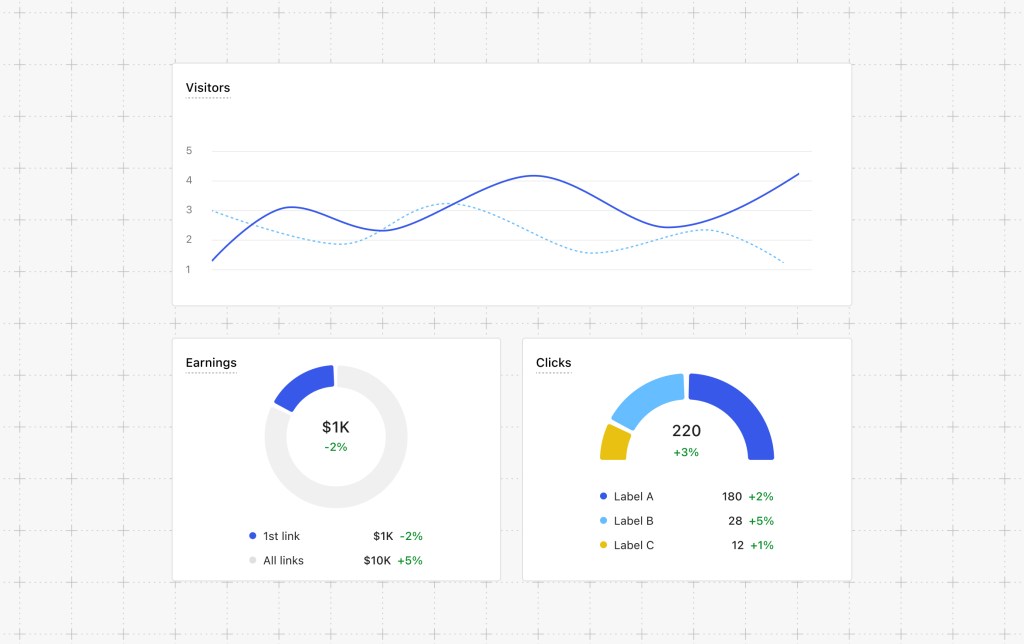
Use analytics to see how your content is performing. Check your website stats and your affiliate dashboard to find out which links and posts are bringing in clicks and sales. Experiment with different formats, headlines, or calls to action to see what works best. Also, consider how your audience is viewing your content. Those using a mobile device will have different needs than those accessing your site via a traditional browser.
Remember, building a steady income takes time. Be patient and keep refining your approach.
Common mistakes to avoid
- Promoting products you don’t believe in
- Overloading your content with too many links
- Forgetting to add affiliate disclosures
- Ignoring mobile optimization
- Expecting overnight success
Avoiding these mistakes will help you build trust and grow your earnings sustainably. For a closer look at what can slow beginners down, read our guide to common affiliate marketing mistakes and how to fix them.
Affiliate marketing is a fantastic way to earn income online, but it’s not about quick wins. It’s about creating valuable content, building trust with your audience, and staying consistent over time. You don’t need to be a complete expert to start; you just need a willingness to learn and take action.
Ready to earn your first commission? Start by applying to a beginner-friendly affiliate program like the Automattic Affiliate Program and try adding one or two affiliate links to an existing blog post.
Pro tip: Fast track your first earnings
If you already have content that’s getting traffic, even if you didn’t create it with affiliate marketing in mind, you’re in a great position to start. Look at your most popular posts and ask:
- Are there products I’ve already mentioned that I can link to through an affiliate program?
- Are there products or services that would naturally fit the interests of my existing audience?
Adding helpful, intentional affiliate links to content that already ranks or gets shares can be one of the fastest ways to start earning.
And if you’re a blogger with an engaged audience, here’s another smart idea: create a post about “how to start a blog like this one.” Many readers who admire your work are inspired to follow your path. These posts can naturally include affiliate links to blogging platforms, hosting, tools, and more.
The Automattic Affiliate Program makes it easy to earn commissions by recommending WordPress.com and Pressable, which are perfect for posts that help your readers start their own blog or website. It’s free to join and gives you access to high-converting products and resources.
Frequently asked questions about affiliate marketing for beginners
What is affiliate marketing?
Affiliate marketing is a way to earn commissions by recommending products or services through tracked links. When someone clicks your affiliate link and completes a qualifying purchase or action, you may earn a commission.
How do beginners start affiliate marketing?
Beginners can start affiliate marketing by choosing a niche, joining affiliate programs that fit their audience, creating helpful content, adding affiliate links where they naturally make sense, including clear disclosures, and tracking performance over time.
What types of content work best for affiliate marketing?
Product reviews, tutorials, comparison posts, resource guides, and how-to articles often work well for affiliate marketing because they help readers make informed decisions.
Where should affiliate links go in a blog post?
Affiliate links should appear where they naturally support the reader’s next step, such as after a product recommendation, in a tutorial step, in a comparison section, or near a clear call to action. Avoid adding links just for the sake of adding more links.
Do affiliate links need a disclosure?
Yes. If you may earn a commission or receive compensation from a recommendation, you should clearly disclose that relationship. A simple disclosure near the top of the post helps readers understand when links may earn you a commission. The FTC’s disclosure guidance recommends using clear, easy-to-understand language.
How long does it take to earn affiliate commissions?
Affiliate earnings usually build over time. Some creators may earn commissions quickly if they already have relevant traffic, while others need more time to create content, grow an audience, and learn what converts.
Is the Automattic Affiliate Program good for beginners?
The Automattic Affiliate Program can be a good fit for beginners whose audiences are interested in websites, blogging, ecommerce, online business, WordPress.com, Pressable, Jetpack, WooCommerce, or other Automattic products.
 Automattic Affiliate Program - Knowledge Base