
Affiliate link placement isn’t just an afterthought. It can dramatically boost your affiliate earnings. Small changes in where your links appear, how they look, and how you track them can increase conversions. This post covers practical strategies for optimizing hosting affiliate links, including CTAs, comparison tables, styled buttons, in-content links, and tracking methods.
Key takeaways
The way you place, style, and track your hosting affiliate links directly affects your conversion rates. Here’s what matters most:
- Place your affiliate links strategically by including links and comparison tables along with strong CTAs. Include the required FTC disclosures.
- Use eye-catching CTAs and buttons that are compelling and mobile-friendly.
- Comparison tables help readers make quicker decisions and boost clicks.
- Track performance by using network tools, Sub IDs, or Shared IDs.
- Follow SEO best practices to protect rankings while driving conversions.
Smart placements combined with solid tracking mean better long-term results for you and happier readers.
The importance of strategic affiliate link placement
Where you place your affiliate links matters because user behavior and content flow determine whether people notice and click them. Understanding how readers interact with your content allows you to position your links where they’re most likely to convert.
Common affiliate link placement mistakes include:
- Burying affiliate links in long-form content with no context
- Using overly generic anchor text (“click here”) instead of benefit-driven copy
- Loading a post with too many links, which can dilute each link’s potential value
For a deeper look at what holds affiliates back, read Avoid these seven common affiliate marketing mistakes and grow faster. Strategic placement aligns your affiliate links with user attention, helping increase clicks and conversions while avoiding common pitfalls.
How to place affiliate links for more clicks and conversions
Here’s a deeper look at the specific placement techniques that can boost affiliate performance. Each approach has its own benefits, depending on context and content type.
In‑content links
In-content links integrate naturally within your text, making them feel like a helpful part of the article rather than a sales pitch.
- Embed naturally. Instead of forcing a link awkwardly into your text, weave it into sentences where it makes sense: “If you want reliable and fast hosting, you can try [recommended hosting provider]. I’ve found their uptime exceptional.”
- Use meaningful anchor text. Choose anchor text that communicates a benefit, like “fast, secure hosting,” rather than vague phrases like “this host.” This can also help search engines understand your page content better.
- Be transparent. Include a disclosure near your first affiliate link: “I may earn a commission if you sign up through links in this post.”
By embedding your hosting affiliate links naturally and using clear, benefit-focused anchor text with proper disclosure, you maintain credibility with your audience while increasing the likelihood of clicks. For a broader look at what drives hosting affiliate success, review our 10 essential tips for web hosting affiliate success.
FTC guidance
Don’t skip the disclosure! The FTC requires that you clearly and conspicuously disclose any material connection, like earning a commission, between you and any brand. Your disclosure statement should be clear and concise, and follow the guidelines available on the FTC Endorsements website.
- Use simple, straightforward language: “Some links in this post are affiliate links; if you purchase through them, I may earn a commission.”
- Place your disclosure before or near the first affiliate link.
FTC compliance protects you and builds trust with readers, as clear, early disclosure ensures transparency. Review our resource, Navigating FTC disclosures as an Automattic affiliate.
Calls-to-Action (CTAs)
Clear CTAs guide your readers to take action, making them a crucial component of affiliate link strategy.
- Placement matters. Put CTAs in high-impact spots: above the fold, after explaining a key benefit or pain point, and again in your conclusion.
- Write compelling copy. Readers are more likely to click a link that uses action-oriented, benefit-driven language: “Start your website today with our top-rated hosting” or “Get a 30-day trial. Cancel anytime.”
- Be consistent but not repetitive. Remind readers of value without overwhelming them with repeated or canned messages.

Flooding your content with repeated affiliate links can come across as spammy and drive readers away. Instead, thoughtfully placed, benefit-driven CTAs encourage clicks and help guide readers naturally to your affiliate links without feeling pushy.
Comparison Tables
Comparison tables give readers a side-by-side view of hosting options, simplifying decision-making and boosting conversions.
- Why tables work. They let readers quickly and easily compare providers across features like uptime, pricing, and support. Tables allow a reader to prioritize the features that are most valuable to them.
- Link placement in tables. Use buttons or clearly labeled links in cells instead of cluttering with multiple text links. This is great for deep linking to features or pricing.
- Design for clarity. Keep the table clean with alternating rows, legible fonts, and links that stand out without being distracting. Tables with proper headings can improve both usability and search visibility.
Well-structured comparison tables make it easier for readers to evaluate options and click your affiliate links. Clean, well-structured tables position you as a knowledgeable resource and can increase both conversions and reader engagement. If you’re writing hosting reviews, our guide on how to write hosting reviews that convert covers structure and trust-building in detail.
Buttons and visual links
Buttons and visual elements attract attention and make your affiliate links more noticeable.
- Styling best practices. Use contrasting colors, readable text, and an appropriate size for desktop and mobile.
- Skip the “Click here.” Choose descriptive labels that clearly convey the button’s action. This can assist with SEO, improve user confidence, and make your site more accessible.
- Mobile-first design. Ensure buttons are large enough and well-spaced for touchscreens.
- Placement strategy. Position buttons at key points: after explaining benefits or following a comparison table.
Eye-catching, strategically placed buttons can significantly improve clicks by making the next step clear and easy for readers.
Tracking affiliate links for better conversions
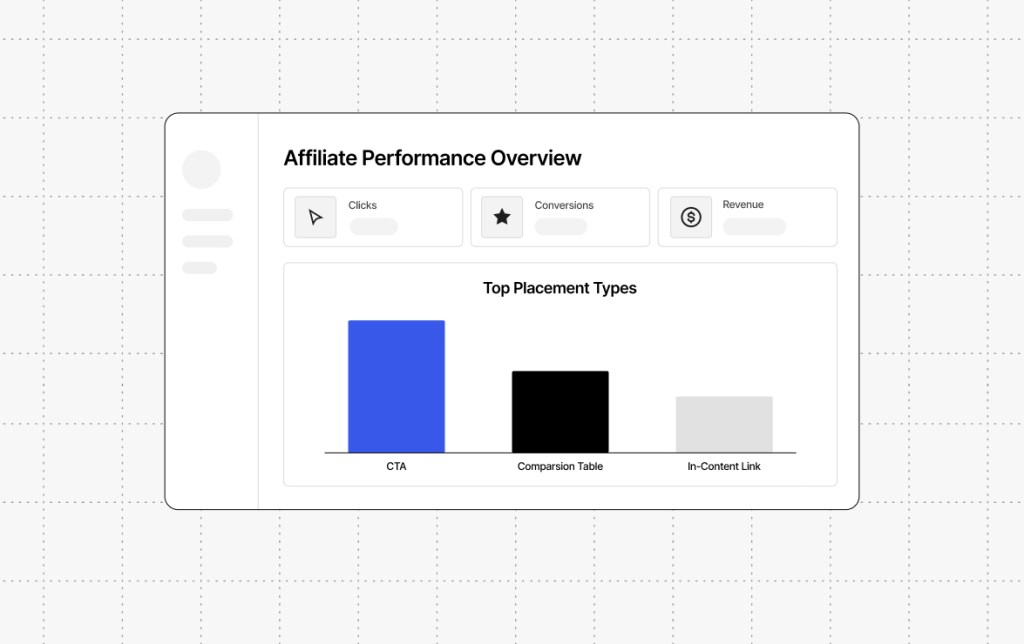
Tracking your affiliate links is essential to know which placements, CTAs, and content types drive the most conversions. While some networks allow you to use your own UTM parameters for granular tracking, many (like Impact.com, the network for the Automattic Affiliate Program) use built-in tracking mechanisms instead.
General tracking tips for all networks:
- Use your affiliate dashboard to monitor clicks, conversions, and revenue by post, link, or campaign.
- Test different placements (in-content links, buttons, CTAs, comparison tables) and compare results over time.
- If your network allows it, add custom tags or URL parameters to help affiliates differentiate traffic sources or placements.
Impact.com tracking tips:
- Use Sub IDs to track different traffic sources or placements (e.g., blog_top, cta_bottom).
- Use Shared IDs when the brand wants visibility into sub-affiliate performance.
- Generate links using Impact’s dashboard or Chrome extension to correctly append these IDs. For step-by-step instructions, see how to create links to promote any Automattic product in Impact.
- Review performance reports filtered by Sub ID or Shared ID to see which placements or campaigns drive the most clicks and conversions.
- Check out the Impact.com guide on Sub ID & shared ID parameters for partners for a step-by-step guide to set up these parameters on your own affiliate link placements.
Combining affiliate link performance with site statistics:
- Google Analytics. GA4 can automatically track outbound clicks, helping identify high-performing posts.
- Combine dashboards and third-party tools. Use your affiliate network dashboard for conversions and Google Analytics for referral behavior.
- Run A/B tests. Test different CTA styles, link placements, and button colors to see what drives the most conversions.
Whether you use a network with custom URL parameters for affiliates or built-in tracking like Impact.com, monitoring performance is key. Track clicks and conversions for each link type and placement, experiment with different strategies, and use the data to optimize your affiliate content over time. Making informed adjustments will increase your overall ROI over time.
SEO considerations
Affiliate link placement doesn’t just affect conversions. It can also influence your site’s overall SEO. Search engines prioritize content that offers a seamless, helpful user experience, so strategically integrating affiliate links into valuable content helps both readers and rankings. Well-placed links, descriptive anchor text, and compliance with search engine guidelines all contribute to maintaining your content’s credibility and discoverability.
- Google favors content that provides a seamless user experience; naturally integrated affiliate links help meet that standard.
- Use rel=”sponsored” or rel=”nofollow” on affiliate links to comply with Google outbound link guidelines.
- Avoid bloated styles or scripts that slow down your page. Site speed is a ranking factor.
Following SEO best practices ensures that your affiliate links don’t negatively impact rankings while still driving conversions. Thoughtful placement, proper link attributes, and a fast, user-friendly page all work together to support both search engine performance and revenue goals. For more in-depth strategies on improving search visibility and driving traffic to hosting affiliate posts, check out our Rank and earn: SEO tips for hosting affiliates resource. For a comprehensive overview of search optimization for WordPress sites, see WordPress SEO: Your essential guide for better rankings and more traffic.
Final thoughts for effective hosting affiliate link strategy
Maximizing conversions from your hosting affiliate links requires more than simply adding links to your posts. The best results come from a continuous loop: test your placements, track the data, analyze what’s working, and optimize from there. By strategically integrating in-content links, well-placed CTA buttons, comparison tables, and visually clear buttons throughout your content, you guide readers naturally toward taking action.
Tracking plays an equally important role. Whether you rely on built-in network tools like Sub IDs on Impact.com or general affiliate dashboards, monitoring clicks and conversions shows you what’s working and what needs adjustment. Use these insights to test different link formats, placements, and messaging, and then optimize your posts based on real performance data.
Regular audits of your content ensure that links remain relevant, disclosures are up to date, and design elements continue to drive engagement. When you pair strategic placement with consistent tracking and ongoing optimization, you build an affiliate strategy that improves conversions and keeps the reader experience front and center. For more best practices and detailed guidance on optimizing your affiliate content, explore the Automattic Affiliate Knowledgebase for actionable tips and resources.
Frequently asked questions about hosting affiliate link placement
Where should I place my hosting affiliate links for the best results?
Place your hosting affiliate links where readers are most engaged: in-content links within relevant paragraphs, CTA buttons after key benefits, inside comparison tables, and at the end of your post. Strategic placement helps increase clicks and affiliate conversions.
How many hosting affiliate links should I include in a blog post?
There’s no exact number of links you should include, but quality matters most. Overloading a post with links can feel spammy, while carefully placed links aligned with reader intent drive higher conversions.
Can affiliate links impact my SEO?
Affiliate links won’t hurt SEO when used correctly. Use descriptive anchor text, add rel=”sponsored” or nofollow as needed, and ensure your content provides real value. Search engines reward helpful, user-focused content over excessive linking.
What’s the best way to track hosting affiliate link performance?
Use your affiliate network’s dashboard to monitor clicks, conversions, and revenue. Many networks, including Impact.com, support Sub IDs to track link placement and performance. Combining this data with Google Analytics can reveal which posts and links convert best.
Are comparison tables effective for affiliate conversions?
Absolutely. Comparison tables let readers quickly evaluate hosting features like pricing, uptime, and support. Clear links or buttons within tables make it easy for readers to take action, boosting conversion rates.
Should I use buttons or text links for hosting affiliate offers?
Both buttons and text links have a purpose. In-content text links feel natural in paragraphs, while buttons stand out visually after explaining benefits or in comparison tables. A combination often drives the highest conversions.
How often should I audit or update my hosting affiliate links?
Audit your hosting affiliate links regularly. Check that pricing, features, and offers are up to date, and test different placements and CTAs. Ongoing audits help optimize clicks, conversions, and overall affiliate performance.
 Automattic Affiliate Program - Knowledge Base