
In web hosting affiliate marketing, generic content and basic reviews aren’t enough to rank or convert. Hosting is one of the most competitive affiliate categories online, with brands bidding aggressively on paid search, major publishers commanding top organic visibility, and low-quality content flooding the SERPs. For content affiliates, SEO is more than a traffic driver. It’s the engine behind sustainable revenue. If you’re newer to affiliate marketing, our guide to monetizing your WordPress blog with affiliate links covers the fundamentals.
In this post, we’ll cover SEO tips for hosting affiliates, including advanced keyword research, content structuring, and sustainable tactics to help you compete effectively.
Key takeaways
Here’s what content affiliates need to know to rank and convert in the competitive hosting space:
- Target long-tail keywords that attract visitors who are ready to purchase.
- Fill content gaps that your competitors miss, such as real-world tests, screenshots, and tutorials.
- Structure your posts with clear headings, tables, and visuals for readability and engagement.
- Optimize your content with meta titles, descriptions, alt text, and schema markup.
- Stick to white-hat SEO tactics to avoid risking your ranking and audience trust.
- Track post performance to refine content for ongoing success.
Hosting affiliates who apply these tips can help their content stand out, earn clicks, and generate sustainable revenue.
Understanding the hosting affiliate landscape
Web hosting affiliate marketing can feel like a saturated niche. Major review sites, coupon platforms, and comparison blogs seemingly dominate the top search results for common brand searches. This can make it tough for new or mid-tier content affiliates to break through.
The key to success here is differentiation. A generic “best web hosting providers” article will struggle to rank or convert because search engines favor comprehensive, authoritative content. The opportunity lies in targeting high-intent, niche-specific queries and producing SEO-friendly affiliate content that is both detailed and actionable for readers.
Example: Instead of chasing high-volume head terms like “best hosting,” you might target long-tail phrases like “managed WooCommerce hosting for small stores.” This approach narrows the field, attracts motivated buyers, and increases conversion potential. By focusing on a specific niche or user need, your content can stand out in a crowded SERP.
Advanced keyword research for hosting affiliates
Keyword research is the foundation of ranking content and one of the core SEO tips for hosting affiliates who need to compete in a crowded market. For content affiliates, the priority is attracting traffic that converts, not just traffic in general. A well-targeted keyword strategy ensures your posts reach buyers who are ready to make a decision.
Finding profitable keywords
Long-tail transactional keywords are specific, multi-word search queries that signal buyer intent and typically face less competition than broad head terms. Rather than chasing broad, high-volume keywords that are dominated by review giants, focus on long-tail transactional keywords that signal buyer intent. These are typically three-to-five-word queries that signal a clear intent to purchase or compare hosting options. Examples include:
- “best WordPress hosting for blogs 2026”
- “cheap managed hosting for eCommerce”
- “fastest hosting for WooCommerce”
Long-tail keywords have lower competition and attract users further along the purchase funnel. These users have done their basic research and are now searching for the best solution to their specific needs. Tools like Ahrefs, SEMRush, Keywords Everywhere, and AnswerThePublic make keyword research for hosting affiliates much easier and help to uncover these high-converting opportunities. By analyzing search volume alongside buyer intent, you can prioritize keywords that balance potential traffic with conversion likelihood.
Competitor gap analysis
Analyzing your competitors’ top-ranking pages helps you uncover content gaps worth capitalizing on. This goes beyond identifying which keywords they rank for. Examine the depth, quality, and structure of their content to see where it excels and where it falls short. Top-ranking pages may hit the basics, but then leave out details that savvy users are actually searching for such as performance benchmarks, walkthroughs, and step-by-step guides.
One of the overlooked SEO tips for hosting affiliates is evaluating not just keywords but the depth and completeness of top-ranking content. Start by examining competitor posts in your niche and ask the following questions:
- Are they missing comparison tables that summarize features, pricing, and support across providers?
- Do they skip screenshots or tutorials that show the actual user experience, such as cPanel dashboards or site speed tests?
- Are their explanations too generic or repetitive, without actionable insights or real-world examples? (Or worse, are they just copy/pastes from the brand’s own site?)
- Do they leave unanswered questions in comments, forums, or FAQs that you could address?
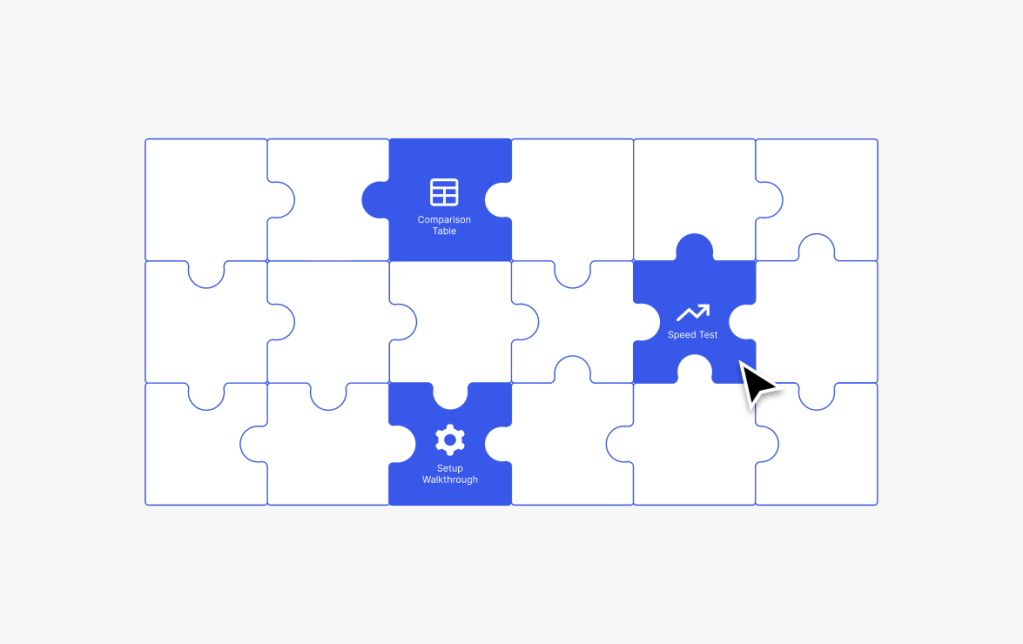
Once you have identified these gaps, plan how to fill them in your own content. For instance, if a competitor ranks for “WordPress hosting review 2026” but doesn’t include actual speed or uptime tests, you can add a section comparing load times across multiple hosts with visual charts. Or if they neglect setup tutorials, consider creating step-by-step guides or annotated screenshots that make your post more practical and trustworthy.
By adding these elements and addressing any gaps, your content becomes more authoritative, user-focused, and link-worthy. This not only improves your rankings but also increases conversions. Filling these gaps strategically ensures you’re not just replicating what’s already out there.
Example: One top-ranking article covers managed WordPress hosting from a particular provider but provides no step-by-step guides or screenshots for setup. Including visual walkthroughs and actionable setup tips positions your content as the go-to resource for buyers, increasing trust and conversions.
Mapping search intent
Understanding the intent behind a consumer’s search query is key to creating content that not only ranks but converts. Some users are simply looking for information, while others are ready to make a purchase. Mapping search intent helps you tailor your content to the right audience at the right stage of their journey.
- Informational keywords: These are keywords like “what is managed hosting” or “shared vs managed hosting.” These users are in research mode.
Your goal with informational content is to educate readers and position yourself as a trusted resource they can rely on during their purchasing journey. Affiliate links should be included naturally within helpful, problem-solving content. For example, a detailed explanation of managed hosting benefits can naturally link to a hosting provider you promote.
- Commercial keywords: Searches such as “best WordPress hosting 2026” indicate readers are comparing options. These are ideal for product comparisons, top-10 lists, and detailed feature breakdowns. Providing clear pros, cons, and pricing breakdowns helps users make informed decisions while including your affiliate links strategically.
- Transactional keywords: Phrases such as “buy managed WooCommerce hosting” signal a ready-to-purchase audience. These users are at the bottom of the purchase funnel, so your content should feature prominent calls-to-action, trust signals like testimonials and performance benchmarks, and ensure your affiliate links are easy to access.
By aligning your content with the correct intent, you attract highly qualified visitors and maximize conversions. For experienced affiliates, mapping intent also helps in structuring your site hierarchy so posts naturally lead users from research to purchase without friction.
Example: If your post ranks for “best hosting for WooCommerce”, and you notice that readers are clicking through mostly to a specific provider, you can prioritize that section with richer comparison tables, feature details, earlier CTAs, or more visual proof to increase conversions further.
Structuring SEO-friendly affiliate content
Even the best, well-researched content won’t rank well without proper structure. This structure is critical for users and search engines alike. Content affiliates need to combine organization, readability, and SEO optimization to stand out in a crowded niche.
Content hierarchy and readability
Use a clear heading structure to organize your content. A clean heading hierarchy improves readability and signals topical clarity to search engines. The H1 should be your title, H2s for main sections, and H3s for detailed subpoints. Breaking content into digestible sections improves readability, reduces bounce rates, and signals quality to search engines.
Example: A post comparing hosting providers could include H2 sections for Pricing, Features, Performance, and Customer Support, with H3 subheadings under each for specific providers or use cases. Bulleted lists, numbered steps, and tables make the information scannable and actionable. This is especially important for affiliates because clear presentation directly impacts the likelihood of clicks on your affiliate links.
On-page optimization
Effective on-page SEO ensures your content is easy for both users and search engines to understand. When search engines can interpret your content clearly, they can rank your page effectively and accurately. Key elements include:
- Meta titles and descriptions: Incorporate primary and secondary keywords naturally, ensuring they reflect the post’s content accurately to improve CTR. Your title should clearly indicate the content’s value while the meta description should entice clicks.
- Keyword placement: Use your target keyword in headings, early in the content, and in alt text for images, but avoid keyword stuffing. Readability is highly important, and users are easily turned off by the obvious overuse of keywords.
- Alt Text for Images: Every image should include descriptive alt text that explains what the image shows. For example, a screenshot of a hosting dashboard could have alt text like “cPanel dashboard showing website speed optimization options.” Alt text improves accessibility, helps search engines understand your visuals, and can rank images in Google Image search.
- Schema markup: Implement structured data where relevant, such as for reviews, comparisons, tutorials, or FAQs. Schema markup enhances your search listings with rich snippets like star ratings, pricing tables, or FAQ accordions, which can improve click-through rates and make your content stand out in SERPs. For more on preparing your site for AI-driven search, see 9 steps to prepare your WordPress site for AI search engines.
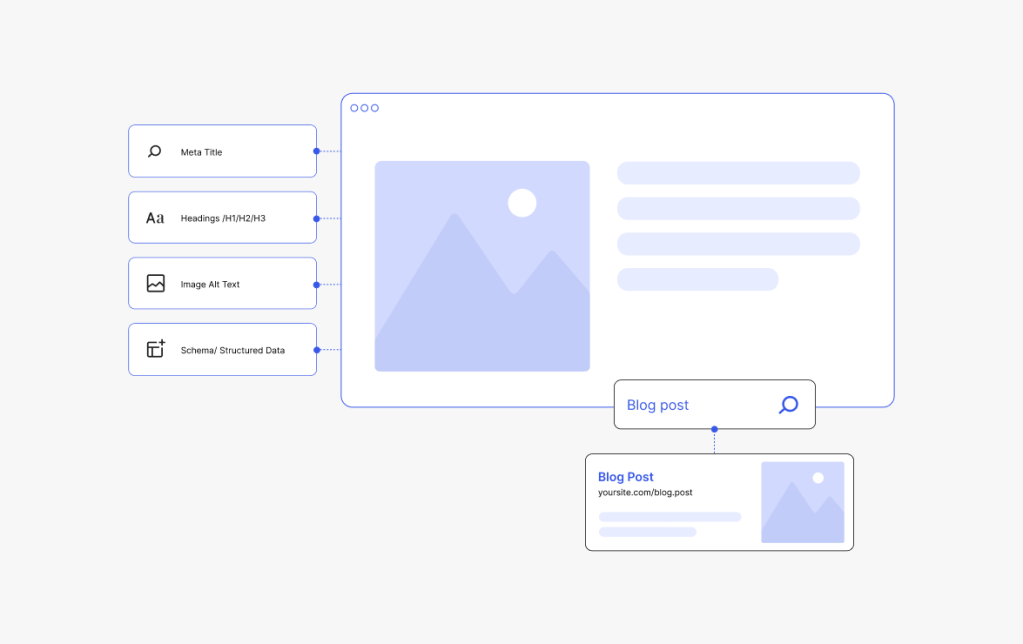
These optimizations make your content easier for both search engines and readers to digest. For a deeper dive into WordPress SEO fundamentals, see WordPress SEO: your essential guide for better rankings and more traffic.
Internal linking and contextual placement
Internal linking helps establish topical authority, spreads link equity across your site, and improves navigation for users. For content affiliates:
- Link related posts contextually. For example, a “managed hosting guide” can link to a “WordPress hosting comparison” or “hosting speed tests” article.
- Use descriptive anchor text instead of generic phrases like “click here.” Descriptive text helps search engines understand the link’s context and improves user clarity.
Internal linking helps readers navigate your site while also showing search engines how your content fits together. Organizing your site with clear main pages and supporting articles makes sure every piece of content works together to strengthen your overall affiliate strategy.
Rich media integration
Visuals increase engagement and enhance perceived authority. Examples include:
- Screenshots of hosting dashboards or cPanel setups to illustrate user experience.
- Speed tests and uptime charts to provide quantitative proof of performance.
- Comparison tables summarizing features, pricing, and customer support options.
Rich media also increases dwell time and makes your content more shareable, signaling quality to search engines and readers alike. For more ideas on creative content formats, see our guide to WordPress.com affiliate strategies.
Placement and design of affiliate links can also significantly impact conversions. Links embedded in comparison tables or near key product insights often outperform links at the bottom of posts. Testing anchor text, button styles, and CTA placement can increase click-through rates without changing your core content.
Competing without black-hat tactics
In SEO, black-hat tactics are manipulative shortcuts used to try to game search engine rankings. These tactics can provide short-term boosts, but they carry a high risk and aren’t sustainable. In contrast, white-hat tactics are legitimate strategies that follow search engine guidelines and build long-term visibility. Here’s how to compete effectively with white-hat strategies instead:
White-hat SEO strategies
- Produce long-form, in-depth content that answers all potential user questions. Google favors content that provides comprehensive value.
- Ensure fast-loading, mobile-friendly pages. Page speed and mobile usability directly impact rankings and conversions.
- Earn backlinks through guest posts, niche collaborations, and linkable content such as data-driven case studies, original research, or tutorials.
Some affiliates still try black-hat tactics like cloaking, link schemes, AI-spun content, or fake reviews, but these approaches aren’t effective or safe. These tactics put their sites at constant risk of penalties, lost rankings, and destroyed trust with both search engines and readers, making them an unsustainable and costly approach.
Today, with modern detection tools on both the search and affiliate network sides, it’s easier than ever for brands and platforms to spot bad actors. Affiliates found using prohibited methods can be quickly removed from programs and may even lose existing commissions, turning the gamble into a losing strategy every time. Make sure you’re also meeting disclosure requirements. See our guide to navigating FTC disclosures as an Automattic affiliate.
Authority building for content affiliates
Authority signals trust to both users and search engines. Blogs that regularly publish original benchmarks, tutorials, or real-world hosting tests can naturally attract backlinks, social shares, and repeat readers. Over time, this authority improves keyword rankings, increases affiliate click-throughs, and boosts conversions.
In addition to creating high-quality content, demonstrating Experience, Expertise, Authority, and Trustworthiness (E-E-A-T) helps your site stand out to both search engines and potential readers.
- Include author bios with hosting experience or technical credentials.
- Use screenshots, tutorials, and original tests to show real-world experience.
- Link to reputable sources to support claims.
- Update articles regularly and include dates to signal freshness and reliability.
Measuring success and iterating
SEO is not a one-time effort. It’s not a set-it-and-forget-it task. Search engines are always updating algorithms and SEO performance requires ongoing monitoring and refinement. Track your content performance using:
- Organic traffic and keyword rankings to see which posts attract visitors and for which queries. You may find some posts ranking unexpectedly, opening up an opportunity for expanding your content.
- Click-through rates on affiliate links to gauge engagement and interest. This can help you to refine your CTAs and content further to engage your audience and encourage them to click your links.
- Conversions and revenue per post to assess ROI. This allows you to examine what posts are and are not working for your audience and adjust accordingly.
Tools like Google Analytics, Search Console, Ahrefs, and SEMrush dashboards make tracking easier.
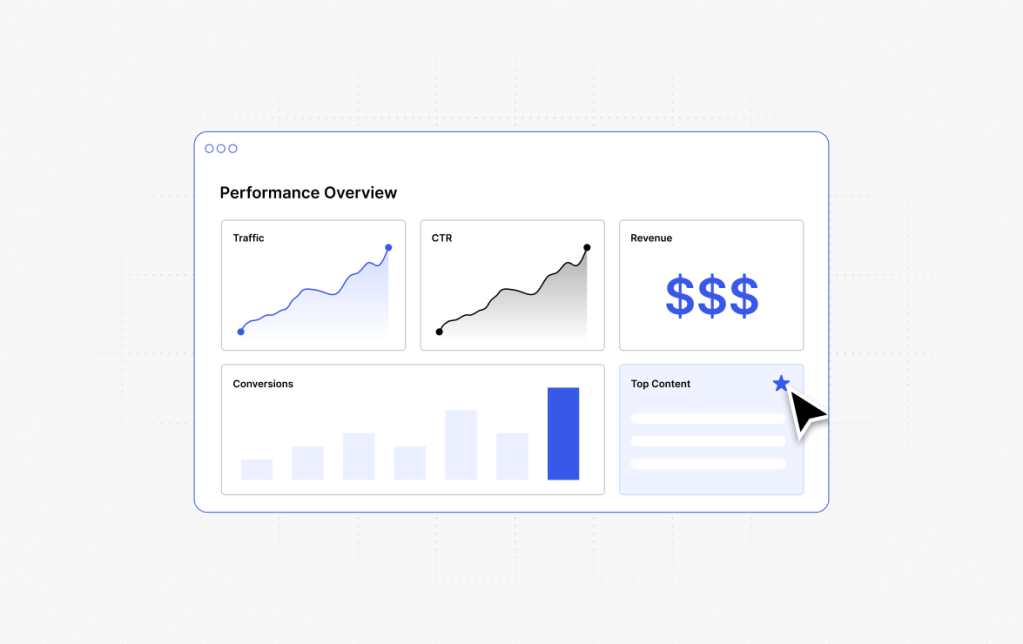
As you examine your content, you’ll regularly identify content that is underperforming compared to your more successful posts. Here are some ideas you can implement to help improve them:
- Check your affiliate links to confirm they’re all working properly and pointing to the correct destinations.
- Update any outdated statistics, screenshots, or pricing information.
- Add keyword-rich and appropriate alt text to all your images.
- Expand sections to cover additional user questions or competitor gaps.
- Improve content readability, internal linking, and on-page SEO elements.
As part of your hosting affiliate content strategy, refreshing underperforming posts on a regular schedule in addition to when major updates occur can help maintain rankings, address new competitor content, and capture additional search traffic.
Regular competitor analysis also helps identify new opportunities and ensures your content stays relevant in a rapidly evolving niche. Subscribing to both merchant and competitors’ newsletters is an easy way to stay informed of new developments, feature releases, and posts.
Take action: strengthen your hosting SEO strategy
Success in the hosting affiliate space requires more than simple, generic reviews. By targeting high-intent keywords, structuring SEO-friendly content, and focusing on ethical, white-hat strategies, content affiliates can consistently rank higher, drive qualified traffic, and increase revenue. Over time, this builds the kind of audience engagement and trust that translates into consistent affiliate earnings.
Implement these tactics strategically, track results, and refine your approach for sustainable performance.
Ready to put these strategies to work? The Automattic Affiliate Program gives you access to competitive commissions, promotional resources, and a product lineup that’s straightforward to recommend. Apply today and start turning your SEO expertise into sustainable affiliate revenue.
Frequently asked questions about SEO tips for hosting affiliates
What are the most important SEO tips for hosting affiliates?
Focus on high-intent keywords, match search intent, fill competitor content gaps, and optimize your on-page SEO. Consistent updates and real-world insights make a big difference in this competitive niche.
How can smaller hosting affiliates compete with big review sites?
Smaller or mid-tier affiliates can compete by narrowing their focus. Target specific use cases instead of broad “best hosting” terms, and add value with screenshots, tutorials, and real performance data that larger sites often skip.
How often should hosting affiliate content be updated?
Hosting affiliate content should be reviewed at least once or twice per year, and anytime pricing or features update. Fresh content helps maintain trust and protects your search visibility.
Are black-hat SEO tactics worth the risk in affiliate marketing?
No. While black-hat tactics may create short-term ranking gains, they result in penalties, lost visibility, removal from affiliate programs, and forfeited commissions. With modern detection tools used by both search engines and affiliate networks, risky tactics are easier than ever to uncover and damage long-term revenue potential. Long-term, white-hat SEO is the safer and more profitable path.
What metrics should hosting affiliates track to measure SEO success?
Affiliates should monitor organic traffic, keyword rankings, affiliate link click-through rates, conversions, and revenue per post. Tracking these metrics shows what’s working and where to refine your site and SEO strategies.
What tools are most useful for hosting affiliate keyword research?
Popular tools for hosting affiliate keyword research include Ahrefs, Semrush, Google Keyword Planner, Keywords Everywhere, and AnswerThePublic. These tools help you identify long-tail keywords, analyze competitor gaps, and evaluate search volume alongside buyer intent.
 Automattic Affiliate Program - Knowledge Base