
WooCommerce Marketplace extensions and themes stand out because they are purpose-built solutions for store owners looking to improve or scale their shops. That built-in intent makes them easier to promote effectively, especially if your content speaks directly to those needs. In this guide, you will learn how to match products to common store challenges and create content that resonates with ready-to-buy audiences. With the right approach to WooCommerce Marketplace affiliate marketing, these targeted recommendations can become a consistent source of affiliate revenue.
Key Takeaways
- WooCommerce Marketplace extensions and themes are high-intent products designed to solve specific store owner challenges.
- Content that focuses on real use cases consistently outperforms general or broad promotion.
- Tutorials, comparisons, and use case-driven reviews are the most effective formats for conversion.
- Matching the right product to a clearly defined problem increases trust and earnings.
- A focused content strategy can drive consistent affiliate revenue without requiring high volume.
Why WooCommerce Marketplace products convert so well
WooCommerce extensions and themes convert well because they solve specific ecommerce problems for store owners who are already looking for solutions. Store owners are not casually browsing for general-purpose tools. They are actively looking for solutions to improve performance, streamline operations, or unlock new functionality.
This creates a strong alignment between search intent and product value. When someone searches for a way to improve checkout, manage subscriptions, or optimize shipping, they are already close to making a decision. That makes your role as an affiliate less about persuasion and more about guiding them to the right solution.
Because these products are built specifically for WooCommerce, they also carry ecosystem trust. Store owners know they’re choosing tools that are compatible with their setup, which lowers friction and supports higher conversion rates.
Know your audience and their pain points
To promote these products effectively, you need to understand who you are speaking to. In most cases, your audience will be existing WooCommerce users who are trying to improve or grow their stores.
These aren’t beginners looking for definitions. They’re operators with clear goals: increasing conversion rates, simplifying operations, or improving the customer experience.
Common pain points include:
- Improving checkout flow and reducing cart abandonment
- Managing subscriptions or recurring revenue
- Handling shipping, taxes, or international orders
- Customizing store design and user experience
- Increasing average order value or overall performance
The more clearly you can connect a product to one of these challenges, the more effective your content will be. For a closer look at how WooCommerce professionals and builders connect, check out Do the Woo on WordPress.com.
How to choose the right extensions and themes to promote
Choosing the right WooCommerce Marketplace products comes down to relevance. The most effective extensions and themes are those that solve real, ongoing problems for store owners, not just tools with a long list of features.
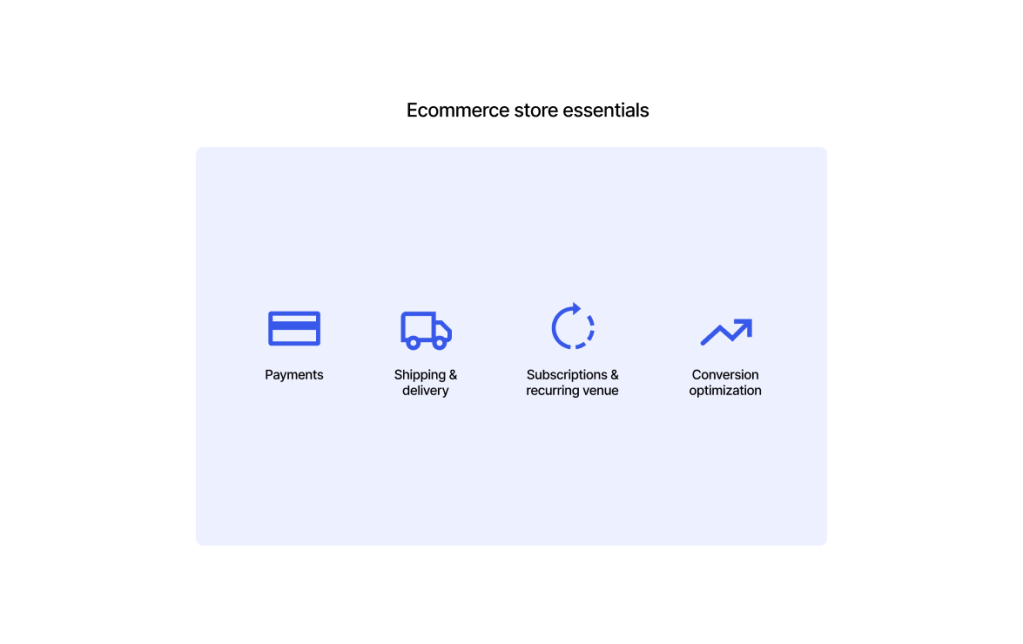
Start by focusing on core areas of ecommerce like payments, shipping, subscriptions, and conversion optimization. These are essential parts of running a store, which means demand is consistent and tied to clear outcomes. Store owners aren’t shopping for feature lists. They want to improve revenue, reduce friction, or simplify operations.
Think about impact and urgency, too. Tools that affect checkout, customer experience, or order management tend to convert better because they address high-priority challenges. When a problem directly impacts sales or efficiency, store owners are more motivated to act.
Finally, pay attention to what resonates with your audience. Over time, your content performance will show you which topics and products drive engagement and conversions. Use those insights to refine your focus and build around what is already working.
When your recommendations consistently align with real needs, your content becomes more useful and your affiliate strategy becomes more effective.
Creating WooCommerce content that drives revenue
To earn consistently from WooCommerce Marketplace affiliate marketing, the content you create matters just as much as the products you choose. Because these tools solve specific problems, your content should do the same. The closer your content aligns with a real need, the more naturally your recommendations will convert.
Start with problem-driven tutorials
One of the most effective ways to promote WooCommerce extensions is through tutorials that walk readers through solving a specific issue. These are focused, outcome-driven guides that meet readers exactly where they are.
For example, instead of writing a broad post about WooCommerce plugins, a stronger approach would be something like “How to Add Subscriptions to Your WooCommerce Store” or “How to Improve Checkout Conversion in WooCommerce.” These topics attract readers who already know what they want to fix.
Within the tutorial, the extension becomes part of the solution rather than the focus of the article. This keeps the content helpful and builds trust while still creating a clear path to conversion.
Use comparison and “best for” content
Once a store owner knows they need a solution, the next step is choosing the right tool. This is where comparison content performs especially well.
Posts like “Best WooCommerce Subscription Plugins” or “Top Payment Gateways for WooCommerce Stores” allow you to present multiple options while guiding readers toward a recommendation. For intermediate audiences, this is a strong opportunity to explain tradeoffs and ideal use cases.
Focus on who each product is best for and why. This helps readers make faster decisions and positions your content as genuinely useful.
Build use case-driven reviews
Individual product reviews are most effective when they are grounded in a specific use case. Instead of a general overview, frame the review around a problem the extension solves.
For example, focus on how a shipping extension simplifies international orders or how a checkout tool improves conversion rates. Walk through a realistic scenario and explain what changes for the store owner after implementation.
This added context builds confidence and reduces hesitation.
Place affiliate links where they add value
Affiliate links should appear at the moment they are most helpful, such as when you introduce a solution or guide the reader to the next step.
When links are integrated naturally, they feel like a resource rather than a promotion. Be clear about what the product does and why you are recommending it. This transparency supports stronger long-term performance. Always include a clear affiliate disclosure near your outbound links. Transparency isn’t just good practice; it’s required by the FTC and builds trust with your readers.
For a deeper look at affiliate link strategy, see our guide on how to monetize your blog with affiliate links.
How to drive high-intent traffic to your WooCommerce content
Driving the right traffic is just as important as creating the right content. For WooCommerce Marketplace products, this means focusing on problem-based search intent.
Target keywords that reflect real challenges, such as improving checkout, managing subscriptions, or optimizing shipping. These searches signal that the user is already looking for a solution.
Structure your content so it’s easy to scan and understand. Clear headings, direct answers, and concise explanations make your content more accessible to both readers and AI-driven search systems.
When your content clearly answers what the problem is, why it matters, and how to solve it, it’s more likely to surface in search and drive qualified traffic.
Building trust and increasing conversions
Trust plays a major role in whether a reader takes action. The more confident they feel in your recommendation, the more likely they are to convert. Be specific about who each product is for and what it helps them achieve. Avoid vague claims and focus on practical outcomes.
Whenever possible, include real or realistic scenarios that show how the product fits into a store owner’s workflow. This helps readers visualize the value and reduces uncertainty. Clarity, relevance, and honesty will always outperform aggressive promotion. When your content consistently delivers value, conversions follow naturally.
For more on what to avoid, check out these common affiliate marketing mistakes.
Scaling your WooCommerce affiliate revenue
Once your WooCommerce Marketplace affiliate marketing content starts gaining traction, scaling becomes less about volume and more about building on what already converts. A focused, intentional approach will help you grow revenue without diluting quality.
Build content clusters around proven topics
When a specific topic or post performs well, use it as a foundation to expand. Create related content that targets closely connected problems and link those pieces together.
For example, if a post about improving checkout conversion is driving traffic and conversions, you can build out supporting content around cart abandonment, payment gateways, and checkout optimization tools. This not only strengthens your authority on the topic, but also creates more entry points for high-intent traffic.
Looking for more ideas? Explore these creative affiliate strategies for additional approaches.
Update and refine existing content
WooCommerce and its ecosystem evolve over time, and so do store owner needs. Regularly revisiting your content ensures your recommendations stay relevant and competitive.
This can be as simple as updating product recommendations, improving clarity, or adding new insights based on performance. Small updates can have a meaningful impact, especially for content that is already ranking or converting.
Focus your efforts on what converts
Your performance data is one of your most valuable resources. Pay attention to which products, topics, and content formats are driving clicks and conversions.
Instead of spreading your efforts too thin, focus on expanding the areas where you are already seeing results. This might mean creating more tutorials around a specific use case or building additional comparison content within a high-performing category.
Strengthen internal linking
As your content library grows, internal linking becomes increasingly important. Connecting related articles helps guide readers through your content and keeps them engaged longer.
It also reinforces topical relevance, which can improve visibility in search. More importantly, it creates multiple opportunities for readers to encounter your recommendations in a natural and helpful way.
Stay aligned with real store owner needs
As you scale, it’s tempting to chase broader topics. Staying grounded in real use cases keeps your content effective and your recommendations credible.
Continue to prioritize clarity, relevance, and practical value. When each piece of content is tied to a specific problem and solution, scaling becomes a matter of repeating a proven process rather than starting from scratch each time.
Conclusion
Promoting WooCommerce extensions and themes is most effective when your content is rooted in real store owner needs. These aren’t impulse purchases. They’re solutions to specific challenges, and your role is to connect the right product to the right problem at the right moment.
By focusing on high-intent topics, creating solution-driven content, and building on what already works, you can develop a strategy that drives consistent results. Over time, this approach turns individual posts into a cohesive system that supports both your audience and your revenue goals.
Ready to start promoting WooCommerce Marketplace extensions and themes? Join the Automattic Affiliate Program to get your links and start earning.
Frequently asked questions about WooCommerce Marketplace affiliate marketing
What makes WooCommerce Marketplace extensions and themes effective for affiliate marketing
WooCommerce Marketplace products are effective because they solve specific problems for store owners who are actively looking for solutions, which increases purchase intent and conversion rates.
What type of content works best for promoting these products?
Content that focuses on solving a clear problem performs best. This includes tutorials, comparison posts, and use case-driven reviews that align with real store owner needs.
Do I need technical expertise to promote WooCommerce extensions?
You do not need to be a developer, but you should understand common ecommerce challenges and how different tools help address them. This allows you to create more relevant and effective content.
How do I choose which WooCommerce products to promote?
Focus on products that address high-demand needs such as payments, shipping, subscriptions, and conversion optimization. Prioritize tools with clear use cases and consistent demand.
How can I increase conversions when promoting WooCommerce products?
Match each product to a specific problem, create content around that use case, and present your recommendations clearly and naturally within the context of the solution.
How much commission can I earn promoting WooCommerce Marketplace products?
Commission rates for WooCommerce Marketplace extensions and themes may change over time as the Automattic Affiliate Program evolves. For the most up-to-date payout information, commission structures, and cookie durations, refer to the official Affiliates Payouts and Commissions guide. This resource is regularly updated and provides the current earning details for WooCommerce Marketplace products and other eligible Automattic brands.
 Automattic Affiliate Program - Knowledge Base