
Social media affiliate marketing for creators is one of the most effective ways to grow your income while recommending products you believe in. Platforms like Instagram, TikTok, and Threads let you connect with your audience in an authentic, engaging way and turn genuine recommendations into real revenue. In this post, we’ll share practical, actionable tips to help you start earning through social content, whether you’re brand new to affiliate marketing or looking to improve your results.
Key takeaways
- Social media affiliate marketing works best when you approach it intentionally and with your audience in mind.
- Creators’ recommendations work best when they feel natural and are woven into helpful, everyday content.
- Personal storytelling and short-form content help increase engagement, clicks, and conversions across Instagram, TikTok, and Threads.
- Maximize your effectiveness by choosing the best social media platform for your content based on where your audience is already active.
- Build trust with your audience by including clear FTC disclosures and reviewing your affiliate performance data regularly to optimize future posts.
- The best social media strategies for affiliate marketing beginners are simple, consistent, and rooted in trust.
Why social media matters for affiliate marketing
Affiliate marketing is most effective when it’s built on trust and engagement. Your followers already trust your recommendations. When you share products in a natural, helpful way, they are more likely to take action. Social media platforms make it easy for your audience to discover products like WordPress.com hosting, Jetpack, WooCommerce, and Pressable through the content you already create.
- Short-form content drives discovery: Quick videos, tutorials, and personal stories can showcase how a product solves a real problem or adds value to your audience’s lives.
- Authenticity matters: People tend to engage most with content that feels genuine and honest. Sharing your own real experiences with products can boost both clicks and conversions.
- Community building: Engaged audiences are more likely to act on your recommendations (and share them with their own network), making social media a key driver for affiliate success.
When you understand how your audience interacts with social content, you can create posts that do more than entertain; they can inspire action and grow your affiliate revenue.
Choose the right platform for your audience
Each social platform has unique features that can affect how an audience interacts with content and how well affiliate content will perform. Consider the strengths of each to decide where to focus your efforts.
- Instagram: Excellent for visual storytelling, short tutorials, and lifestyle content. Use posts, stories, and reels to share behind-the-scenes glimpses or step-by-step guides that highlight how a product helps you. For example, promote WordPress.com on Instagram with a reel highlighting how it helps you create or manage content.
- TikTok: Perfect for quick, authentic, and engaging video content. Show products in action, demonstrate tips, or create short tutorials that resonate with your followers. Quick demos of products like WooCommerce or Pressable can capture attention and inspire clicks. Consider using trends, sounds, and challenges to boost your posts and reach a wider audience.
- Threads: Great for conversation-driven recommendations and engaging your community. Use Threads to answer questions, share insights, and start discussions about products you trust. Engaging discussions can help drive affiliate clicks while establishing you as a knowledgeable creator.
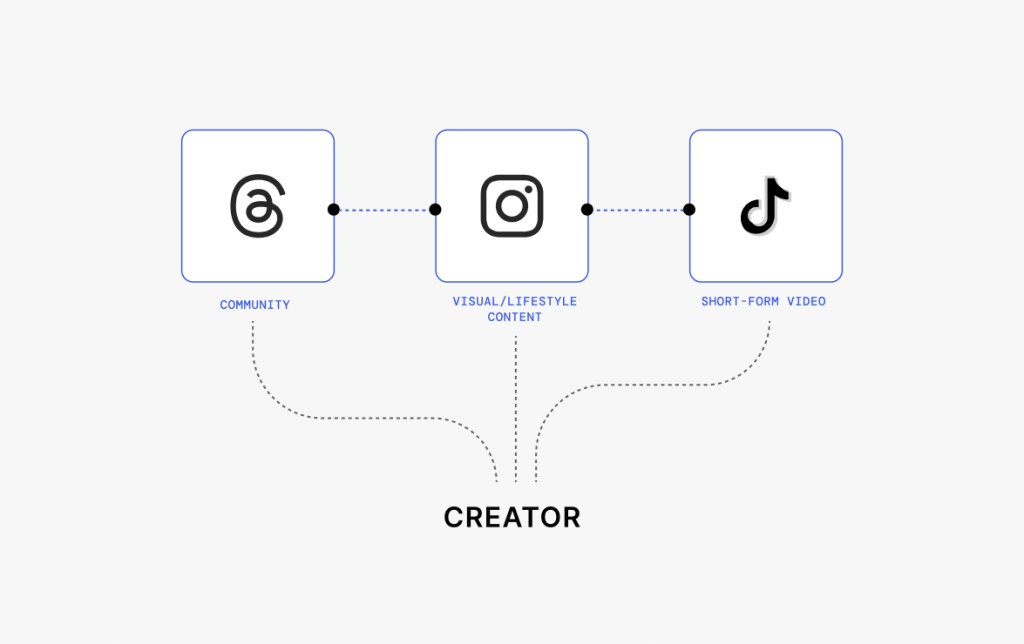
Not sure where to start? Choose the platform where your audience already spends the most time and build your engagement there first. Once you’re comfortable, expand to other platforms by cross-posting and repurposing your best content to reach new audiences. For more ways to grow your reach, check out these 21 tactics to increase blog traffic.
Interested in promoting WordPress.com, WooCommerce, Jetpack, or Pressable on your favorite social platform? Learn more about the Automattic Affiliate Program and get started.
How to share affiliate links on Threads, Instagram, and TikTok effectively
Transparency builds trust and is a key part of successful social media affiliate marketing. It’s also legally required. Affiliates, including those in the Automattic Affiliate Program, must comply with the United States Federal Trade Commission (FTC) Endorsement Guides. Whenever you share an affiliate link in a review, recommendation, or endorsement of a product or service, you must clearly disclose that you may receive compensation. This applies to all forms of compensation, including commissions, flat fees, hybrid payment models, or free products. Disclosure statements should be clear, concise, and easy to spot. Place them close to the recommendation itself, not buried in a bio or at the bottom of a post. For detailed guidance, refer to the FTC Endorsements Guides.
Once you have disclosure covered, it’s important to place your affiliate links strategically while keeping your content natural. Here are some ways to do it effectively:
- Strategic link placement: Include affiliate links in your bio, stories, captions, or conversation threads. The key is to place them wherever they naturally fit in your content flow. Consider using a link-in-bio tool if you need to share multiple affiliate links from a single profile.
- Content integration: Share links through tutorials, “how-to” posts, or behind-the-scenes looks that demonstrate the product in use.
- Authenticity: Recommend products you actually use and value. Honest reviews and real-life examples resonate with your audience and encourage trust.
- Value-first approach: Focus on helping your followers rather than making a hard sell. Content that educates, entertains, or inspires will almost always outperform a straight sales pitch.
By combining clear disclosures with authentic content, you create a trustworthy environment where your followers feel confident clicking your links. This approach not only keeps you compliant but also helps maximize the effectiveness of your affiliate marketing.
Tips to increase engagement and conversions
Engaging content is the foundation of successful affiliate marketing. Here are easy ways you can boost performance:
- Post consistently: Keep your audience engaged by sharing content regularly. Consistency helps build your own credibility and keeps you top of mind when your followers have questions.
- Compelling captions and calls to action: Explain why the product matters to you and invite your audience to learn more. Try phrases like “check out how I use this tool for my own blog” or “here’s a tip that helps me manage my online store.”
- Platform features: Stay current with each platform’s newest tools. Use polls, stickers, Q&A boxes, and trending sounds to increase visibility and interaction. These features often get a visibility boost from the platform’s own algorithm.
- Experiment: Test different content formats and approaches. Track which posts get the most clicks, engagement, and conversions, then refine your strategy accordingly.
- Community interaction: Respond to comments, answer questions, and participate in discussions to build additional rapport with your audience. This builds trust and encourages followers to take action on your product recommendations.
The best social media strategies for affiliate marketing beginners focus on creating authentic, helpful content, engaging consistently with your audience, and using platform features to encourage clicks and conversions.
Measure the success of your social media affiliate marketing
Tracking your results helps you understand what’s working and where to improve. By regularly reviewing your affiliate dashboard and social media analytics, you can refine your strategy and focus on what drives the best results.
- Click-throughs: Track how many people are clicking your affiliate links. This shows which posts or platforms are generating interest and helping your audience discover the product.
- Conversions and sales: Monitor the number of purchases or sign-ups generated from your links. This helps you understand which content directly drives revenue.
- Engagement metrics: Likes, comments, shares, and saves indicate how well your audience is responding to your content. Higher engagement often leads to more clicks and potential conversions. (Pro tip: Keep track of the questions your audience asks in comments. These are goldmines for creating new content that directly addresses their most common concerns, and they can also inform your next affiliate promotion.)
- Platform analytics: Use native social media tools to understand audience behavior. For example, Instagram Insights, TikTok Analytics, and Threads engagement data can show when your audience is most active and which content formats perform best. If you’re also driving social traffic back to your own WordPress.com site, make sure it’s optimized for search. Our guide to WordPress SEO covers the essentials.
- Affiliate dashboards: The Automattic Affiliate Program dashboard, powered by Impact, gives you a central place to monitor clicks, conversions, and earnings across WordPress.com, WooCommerce, Jetpack, Pressable, and other Automattic products. Reviewing these metrics regularly helps you identify trends and refine your approach. If you need help navigating the dashboard, the Automattic Affiliate Team is always happy to assist.
Once you have a handle on these metrics, put them to work:
- Experiment and optimize: Track different types of content, posting times, or call-to-action styles to see what works best. Adjust your approach based on data, focusing on posts that generate the most conversions while maintaining authenticity. If you use social media to drive traffic back to your own website, it’s a good idea to consider optimizing your site so it can show up in both traditional search engines and AI results.
- Set goals: Establish clear, realistic goals for clicks, conversions, and earnings. Measuring against these targets helps you stay focused and continuously improve your affiliate efforts.
By consistently monitoring these metrics, you can make data-driven decisions, optimize your content strategy, and maximize the effectiveness of your affiliate marketing across social platforms.
Final thoughts: build authentic connections that drive results
Social media affiliate marketing for creators works best when your content is authentic and helpful. When you share products your audience genuinely benefits from, you build trust and earn commissions at the same time. The Automattic Affiliate Program lets you promote WordPress.com, WooCommerce, Pressable, and more from a single dashboard.
Ready to put these beginner affiliate marketing tips into action? Log in to your Automattic Affiliate Program dashboard and start experimenting on Instagram, TikTok, or Threads today.
Frequently asked questions on how to use social media for affiliate marketing
What is social media affiliate marketing?
Social media affiliate marketing is when creators, influencers, or content publishers share trackable affiliate links on platforms like Instagram, TikTok, and Threads to earn commissions on resulting sales or sign-ups. It works by combining the trust and engagement of social content with the performance-based structure of affiliate programs. When a follower clicks a creator’s affiliate link and makes a purchase, the creator earns a commission.
Which platform should I start with?
Focus on the platform where your audience is already most active. Instagram is great for visual storytelling, TikTok works well for short, authentic videos, and Threads is ideal for conversational recommendations.
Do I need to disclose affiliate links on social media?
Yes. The Federal Trade Commission (FTC) requires that affiliates clearly disclose any material connection when promoting products on social media. This includes commissions, flat fees, hybrid payments, or free products. Disclosures must be clear, conspicuous, and placed close to the recommendation. Hiding a disclosure in a bio page, footer, or behind a “more” link is not sufficient.
How can I make my affiliate links feel natural on social media?
Weave links into content that educates, entertains, or solves a problem. Tutorials, how-to posts, and behind-the-scenes stories work well because they showcase the product in context. Only promote products you genuinely use and trust, and explain why they matter to you. When your audience sees a real recommendation rather than a sales pitch, they’re more likely to click and convert.
How do I measure success for social media affiliate marketing?
Track clicks, conversions, and engagement metrics like comments, shares, and saves. Use platform analytics (Instagram Insights, TikTok Analytics, and Threads data) and the Automattic Impact dashboard to see which posts drive the most results.
Can beginners succeed with social media affiliate marketing?
Absolutely. Start with authentic content, engage consistently with your audience, choose platforms wisely, and track your performance. Over time, these habits build trust and drive sustainable affiliate income.
How do I track affiliate link performance on social media?
Use a combination of your affiliate program’s dashboard and each platform’s native analytics. The Automattic Affiliate Program dashboard, powered by Impact, lets you track clicks, conversions, and earnings across WordPress.com, WooCommerce, Jetpack, and Pressable. Pair that with Instagram Insights, TikTok Analytics, or Threads engagement data to see which content formats, posting times, and calls to action drive the best results.
 Automattic Affiliate Program - Knowledge Base