

Starting out in affiliate marketing can feel exciting, but it’s also easy to make small mistakes that slow your progress. From misplaced links and missing disclosures to inconsistent publishing and skipped performance tracking, common affiliate marketing mistakes can affect your credibility and earnings before you even realize it. The good news? Most of them are simple to fix. Even small tweaks in your strategy can lead to more clicks, more trust, and faster earnings.
Below, we’ll walk through seven of the most common affiliate marketing mistakes beginners make and share practical ways to avoid them so you can build a solid foundation for long-term success.
Key takeaways for avoiding common affiliate marketing mistakes
Successful affiliate marketing often starts with avoiding a few common beginner affiliate mistakes. Here’s what matters most:
- Strategic affiliate link placement improves conversions. Affiliate links perform best when they feel natural in your content.
- FTC disclosures are required in all affiliate marketing and help build trust. Clear, visible affiliate disclosures protect you legally and strengthen credibility with your audience.
- Product knowledge leads to stronger affiliate recommendations. Familiarize yourself with the products you’re promoting so your content is authentic and helpful.
- Tracking your affiliate performance helps you grow faster. Monitoring clicks, conversions, and sales allows you to adjust your content and improve results over time.
- Consistency drives long-term affiliate success. Be consistent with posting, even if you need to schedule things in advance to maintain a steady presence.
Keeping these tips in mind helps new affiliates build credibility, grow more efficiently, and improve results over time.
Mistake #1: Poor affiliate link placement
One of the most frequent affiliate marketing mistakes is placing links in the wrong spots. Links buried too deep in your content or placed out of context tend to get fewer clicks. Your audience should be able to find affiliate links naturally, right when they’re most engaged with what you’re saying.
Add your affiliate links where they make sense within the flow of your post, such as right after you mention a product’s benefit or share a personal experience. Avoid overwhelming your readers with too many links in one place.
If you’re promoting Automattic products, check out How to Create Links to Promote Any Automattic Product in Impact for step-by-step guidance on setting up and tracking your affiliate links.
Mistake #2: Skipping FTC affiliate disclosures
Please note: The information below is provided as a courtesy, and we recommend that you review this information with your legal counsel. Only your legal advisor can assure you that the information contained herein applies or is appropriate to your situation.
Forgetting or ignoring affiliate disclosures can damage your audience’s trust and even put you at legal risk. The Federal Trade Commission (FTC) requires affiliates to clearly disclose their relationships with brands whenever a commission might be earned from a purchase.
Disclosures should be conspicuously placed and contain clear, concise, and unambiguous language. The easiest way to stay compliant is to include a short, clear disclosure at the top of your post, such as:
“This post contains affiliate links, which means I may earn a commission if you make a purchase through them. There’s no extra cost to you.”
This simple statement builds transparency and trust. Depending on the medium, you may need to include both visual and auditory disclosures to stay compliant. Some social media platforms also require you to confirm that your content contains advertising. To learn more and see examples of affiliate disclosure best practices, read Navigating FTC Disclosures as an Automattic Affiliate and the Federal Trade Commission’s Endorsement Guides.
Mistake #3: Promoting products you don’t fully understand
It’s tough to promote something effectively if you don’t fully understand it yourself. New affiliates sometimes jump in without taking time to explore the products they’re recommending. Sharing incorrect or outdated information with your audience undermines your position as a trusted resource. When you know a product’s features and benefits, you can create more authentic, persuasive content that resonates with readers.
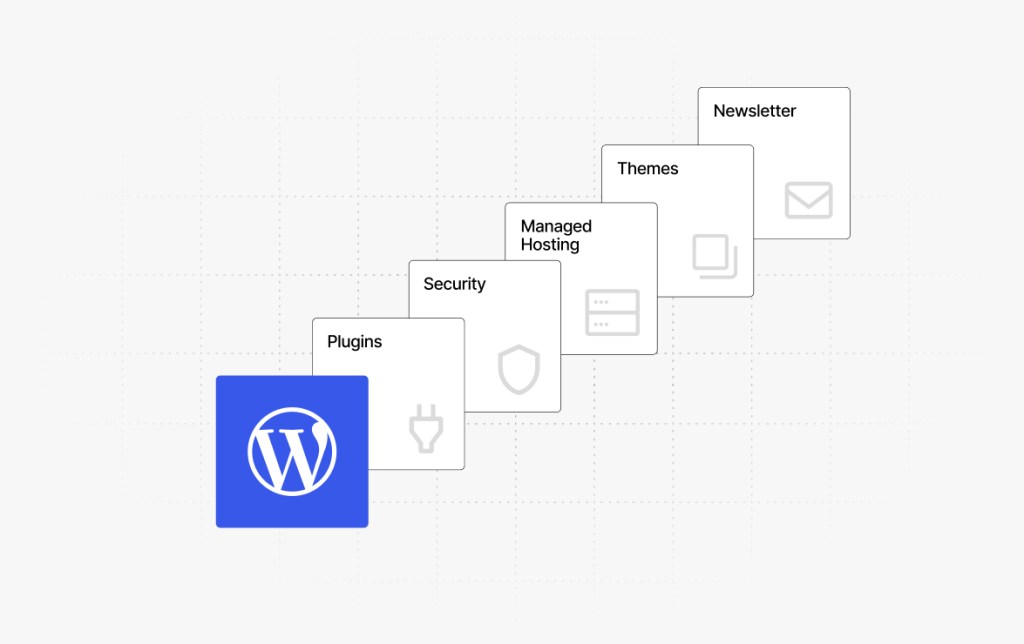
If you’re promoting WordPress.com, for example, familiarize yourself with its hosting plans, website builder, and growth tools. Understand the key differences between WordPress.com and WordPress.org, and look for ways to highlight the benefits that matter most to your audience.
For creative promotion ideas, see Creative Ways to Promote WordPress.com as an Affiliate.
Mistake #4: Overusing or misusing affiliate links
While affiliate links are essential for earning commissions, using too many or placing them without context can overwhelm your readers and reduce trust. Link stuffing, where you place multiple links in a single paragraph or section, can feel spammy and distract from the value of your content. Instead, aim for a natural balance in your writing. Each link should support your content and provide clear value to your audience.
Begin by integrating links where they make sense, such as immediately after describing a product feature or benefit. For example, if you’re highlighting the ease of WordPress.com’s website builder, place your link right after mentioning that feature rather than in a block of text. Use calls to action sparingly but effectively, such as “Check out WordPress.com to get started.”
To see what resonates, track clicks using your affiliate dashboard or a simple spreadsheet. Try testing different placements, anchor text, and calls to action to identify what drives the most conversions. When running these lightweight tests, keep a running list of your changes so you can review their effect on clicks and sales over time. When it comes to affiliate links, quality over quantity wins. Readers who trust your recommendations are far more likely to click.
Mistake #5: Ignoring social media as an affiliate channel
Social media can be a powerful tool for affiliates, but it’s often overlooked by beginners. Platforms like Instagram, TikTok, and Threads allow you to reach audiences who might never see your blog posts.
Use social media to share tips, tutorials, and quick insights that naturally feature your affiliate links. Just remember to follow each platform’s disclosure requirements and focus on creating engaging, authentic content rather than direct sales pitches.
Mistake #6: Failing to track affiliate performance
Tracking your affiliate performance is critical, but beginners often overlook it. Without monitoring clicks, conversions, and revenue, you’re essentially guessing which content is effective. Over time, this can lead to wasted effort and missed opportunities for improvement.
Start with simple tools like your affiliate dashboard, Google Analytics, or even a spreadsheet to track clicks, conversions, and earnings over time. Review your top-performing posts and links regularly to see which content resonates with your audience. Then, optimize accordingly by updating underperforming posts, testing new calls-to-action, or repositioning links for better visibility.
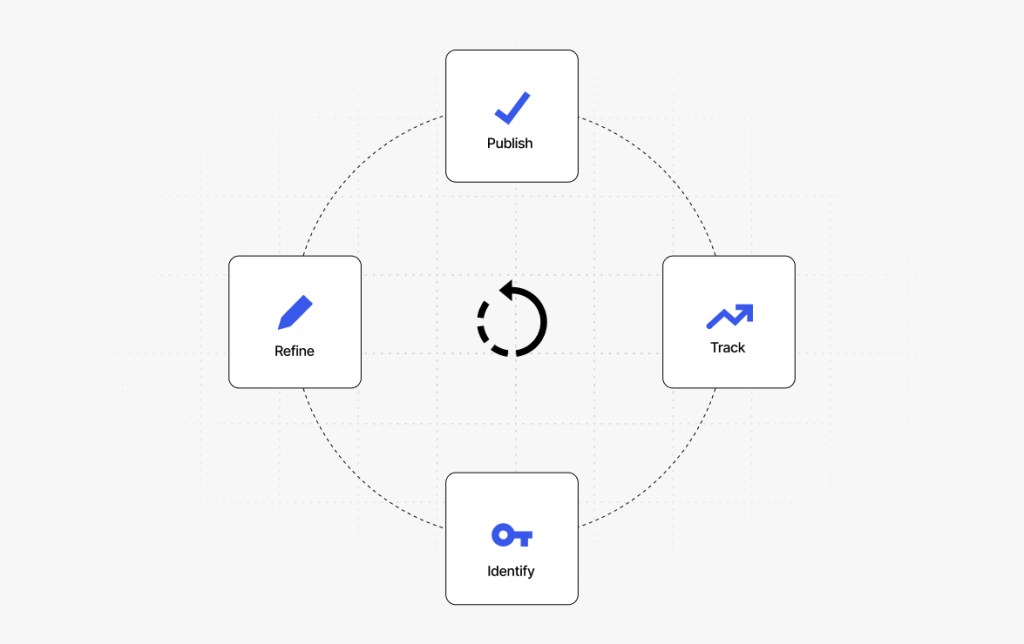
Even small adjustments can have a big impact. For example, moving a link from the middle of a paragraph to a prominent spot near the top or after a key benefit can significantly increase clicks. Tracking and optimization turn your affiliate marketing efforts from guesswork into a data-driven strategy that steadily improves results over time.
Mistake #7: Giving up too soon or posting inconsistently
Affiliate marketing is not a get-rich-quick strategy. Many beginners give up too soon because they don’t see immediate results. Consistency and patience are key: even small, steady efforts compound over time and lead to meaningful growth.
Take the time to create a realistic content schedule that fits your workflow. Whether it’s one blog post a week, a couple of social posts per day, or regular email newsletters, stick to a rhythm you can maintain. Consistent publishing keeps your audience engaged and builds long-term trust. If your schedule doesn’t allow you to create content consistently, consider crafting multiple posts at a time. You can schedule them in advance so your audience still experiences a steady, reliable flow of content.
Patience is equally important. Some posts may take months to gain traction, and early earnings are often modest. Focus on small, achievable improvements: adjust your content, test new link placements, and learn from your analytics. Each piece of content you publish builds your brand, your authority, and your earning potential.
How to build a stronger affiliate marketing foundation
Avoiding these common affiliate marketing mistakes early on can make your journey smoother and more rewarding. Place your links thoughtfully, always include clear disclosures, take the time to understand the products you promote, and use both content and social media to reach new audiences.
Keep tracking your progress, stay consistent, and give yourself time. By avoiding these common affiliate marketing mistakes, you’ll grow faster, build stronger trust with your readers, and earn more effectively.
Looking for more affiliate marketing tips or feeling stuck? Reach out to the Automattic Affiliate Team for assistance.
Frequently asked questions about affiliate marketing mistakes
What is the most common affiliate marketing mistake beginners make?
The single most common mistake is promoting products without truly understanding them. When you can’t speak confidently about what you’re recommending, your audience picks up on it. Taking the time to learn a product’s strengths, limitations, and best use cases makes your content more credible and your recommendations more effective. Other frequent mistakes include poor link placement, skipping FTC disclosures, and posting inconsistently.
Do I need an FTC disclosure on every affiliate post?
Yes. The FTC requires affiliates to clearly disclose whenever they may earn a commission from a recommendation. A simple, visible disclosure helps you stay compliant and builds transparency with your audience. This isn’t just an industry best practice. It’s a legal requirement for all affiliate marketing.
How many affiliate links should I include in a blog post?
There’s no fixed number, but quality matters more than quantity. Include affiliate links only where they genuinely add value and support your content naturally. A few well-placed links tied to specific product benefits or recommendations will outperform a page full of scattered links.
Why is tracking affiliate performance important?
Tracking clicks, conversions, and commissions helps you understand which content your audience responds to best. Reviewing performance data allows you to refine link placement, update underperforming posts, and improve results over time. Affiliates who consistently track tend to see compounding growth.
How long does it take to see results from affiliate marketing?
Most affiliates need several months of consistent content creation and audience building before seeing significant earnings. Some posts may take time to gain traction through search or social channels. Focus on publishing regularly, improving your content based on performance data, and building genuine trust with your audience. The affiliates who stick with it tend to see compounding results over time.
How should I place affiliate links in my content?
Place affiliate links where they naturally fit within your content, such as right after mentioning a product benefit or sharing a personal experience. Avoid clustering too many links in one section. Spacing them out and tying each link to a specific point builds trust and tends to drive more clicks.
Do I need a website to do affiliate marketing?
A website gives you the most control and long-term value as an affiliate. It’s where you can publish in-depth content, optimize for search, and build a library of resources that drives clicks over time. Social media can support your affiliate efforts, but a website you own is the strongest foundation. Platforms like WordPress.com make it straightforward to get started with a site, even if you’re brand new.
 Automattic Affiliate Program - Knowledge Base